
Week 2 Is Where Most Beginners Quit — And It’s Almost Always Their Legs
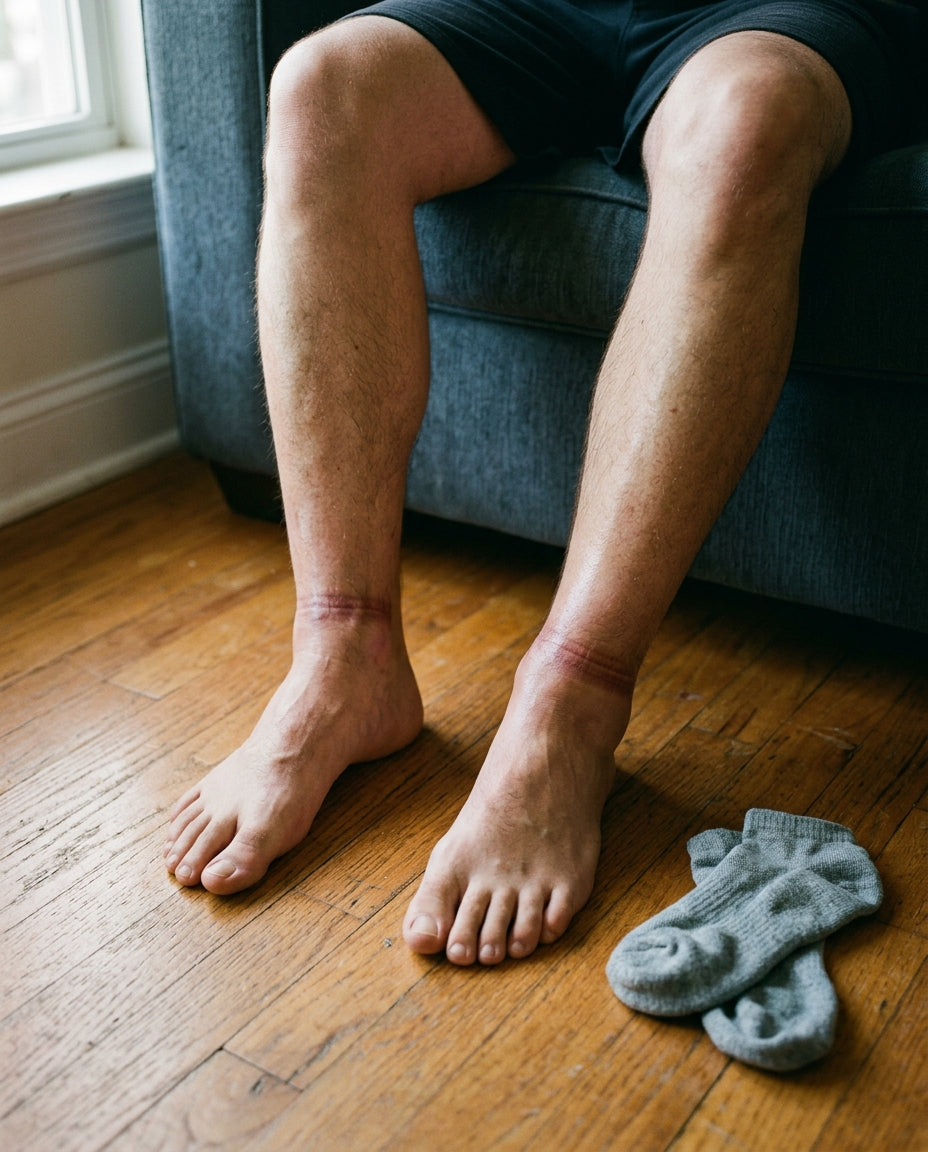
If you’ve started a new walking, running, or gym routine in the last few weeks and your legs swell up after every session — heavy, tight, puffy at the ankles with deep sock grooves — read this short article before you take another rest day.
I’m 41 years old and I’ve started over more times than I want to admit.
Not dramatically. No big proclamation, no gym membership with the logo on the tote bag. Just quiet decisions to finally move my body again. Walk every day. Get back to something.
And every single time, somewhere around week two, my legs would swell up and I’d take a rest day.
Then another.
And the habit would just quietly die.
Then the Past Few Weeks, Everything Changed
Three weeks ago I started walking again. Nothing impressive — forty minutes in the morning before work, the same route through my neighborhood. I was genuinely excited about it. My knees felt fine. My breathing was getting easier. I even started tracking it on my phone.
Then five days in, I sat down after my walk and looked at my ankles.
Puffy. A deep red groove where the sock had been. Lower legs that felt heavy and full, like something had been poured in there while I was walking.
I went to bed that night thinking I’d pushed too hard. Maybe I walked too fast. Maybe I was just not cut out for this.
That part — the “maybe I’m just not cut out for this” — that’s the part that worries me now. Because I’ve thought that before. And I’ve been wrong before. I just didn’t know it at the time.
A Ten-Minute Wrestling Match Just to Pull My Shoes Off
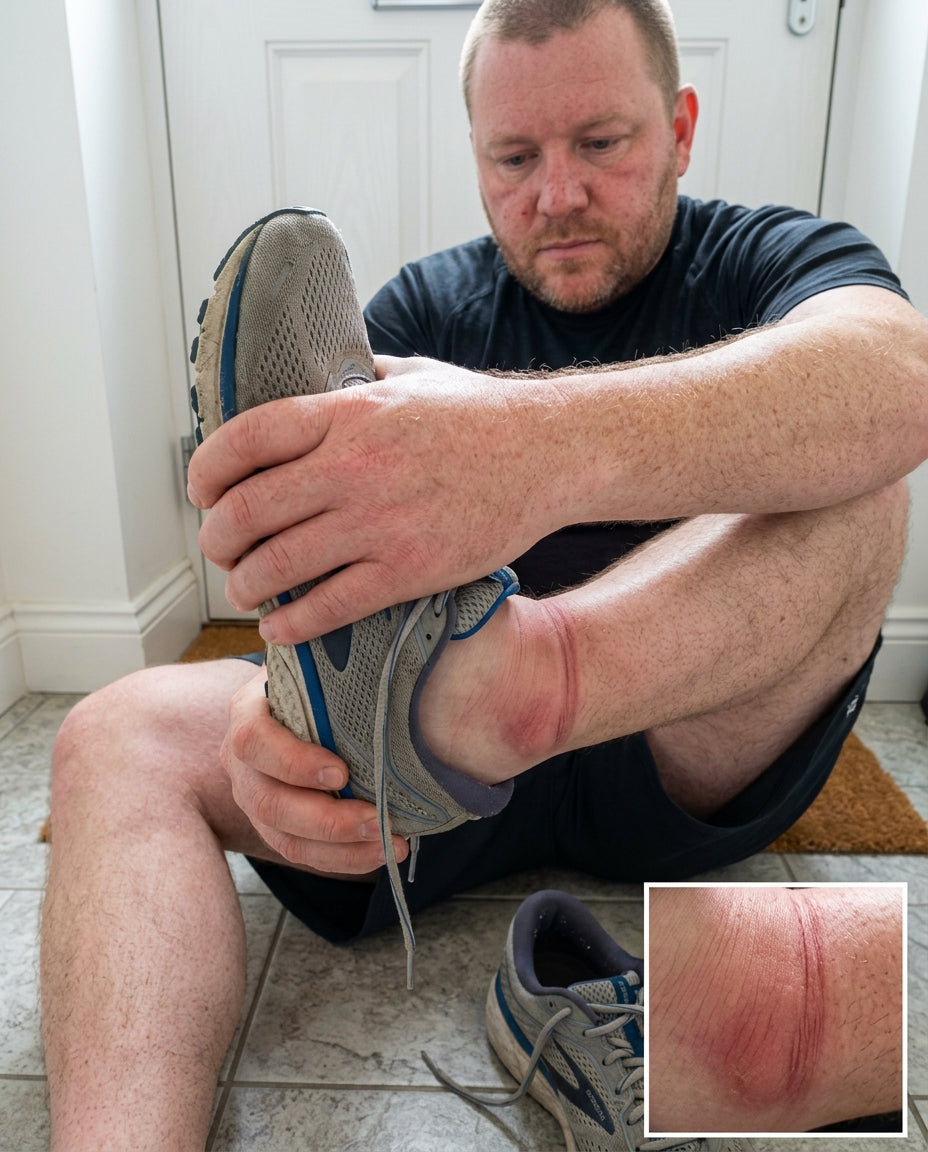
By day eight, pulling my shoes off after a walk had become a thing.
Not a painful thing, not exactly — just a tight, uncomfortable, slightly humiliating thing that I was doing alone in my entryway, sitting on the floor, wiggling at the heel until the shoe came loose.
My lower legs felt full. Not sore in the way muscles get sore. Full. Like they were retaining every step I’d taken and refusing to let it go.
By the end of the second week I was wearing my loosest pair of shoes specifically because the laces on my regular ones left marks.
I limped my way home one afternoon and just sat outside on the steps. Defeated. Wondering if this was my body’s way of telling me I’d waited too long to start.
I told myself I’d take two rest days and then reassess.
You probably know how that goes.
What I Tried First (And Why None of It Helped)
I want to be honest about this part because when I finally found out what was actually happening, I understood why nothing I’d tried was going to work.
Rest days. The first thing I did. Took two, then three. The swelling would ease up a little. Then I’d walk again the next day and by evening it was back.
Compression socks. My mom swears by them for long flights. I ordered a pair online — a decent brand, not cheap. They helped a little while I was wearing them. The moment I took them off the feeling came right back. The socks were managing something, not addressing it.
Elevation. Legs up the wall for twenty minutes at night. Again, helped temporarily. Same story — felt lighter lying there, felt heavy again by morning.
Ibuprofen. A friend suggested it might be inflammation. I took it for four days. My ankles didn’t change. My stomach was less happy.
More water. Someone in a walking group online said swollen ankles meant I was dehydrated. I started drinking so much water I was waking up twice at night. My ankles looked exactly the same.
Giving up. That one worked, technically. I stopped walking. The swelling went away. My streak hit day twelve and then stopped completely. I told myself I’d start again in a few weeks when things weren’t so busy.
That was the fourth time I’d done that. Started, hit some version of this same wall around week two, and stopped. Never put it together that the wall was always the legs.
Four False Starts. Same Swollen Legs.
I sat at my kitchen table one evening scrolling back through my phone’s step-counter history. There were these little peaks — five days, eight days, twelve days — followed by nothing. A flat line.
Every single peak ended around the same time.
Week two.
I wasn’t someone who lacked discipline or motivation. I wasn’t making excuses. I was genuinely trying every time. And every time my legs were telling me — loudly — to stop.
I just didn’t understand what they were saying yet.
The Conversation That Changed Everything
A woman in my neighborhood — I’ll call her Diane — does the early-morning route at the same time I do. We’d started nodding at each other, then stopping to talk a few times.
She’s a nurse. Has been for over twenty years. She noticed I’d been absent for a few days and asked if everything was okay.
I explained the swelling thing. The rest days. The loop I kept getting stuck in.
She tilted her head and said something that stopped me cold.
“Do you know about the second heart?”
I did not.
She said it in a way that made it clear this was not a mysterious thing — just something she’d learned a long time ago that most people never hear.
She asked me to walk with her for ten minutes while she explained.
The Most Overlooked Cause of Beginner Swelling Nobody Told Me About
Here is what Diane told me, as best I can reconstruct it.
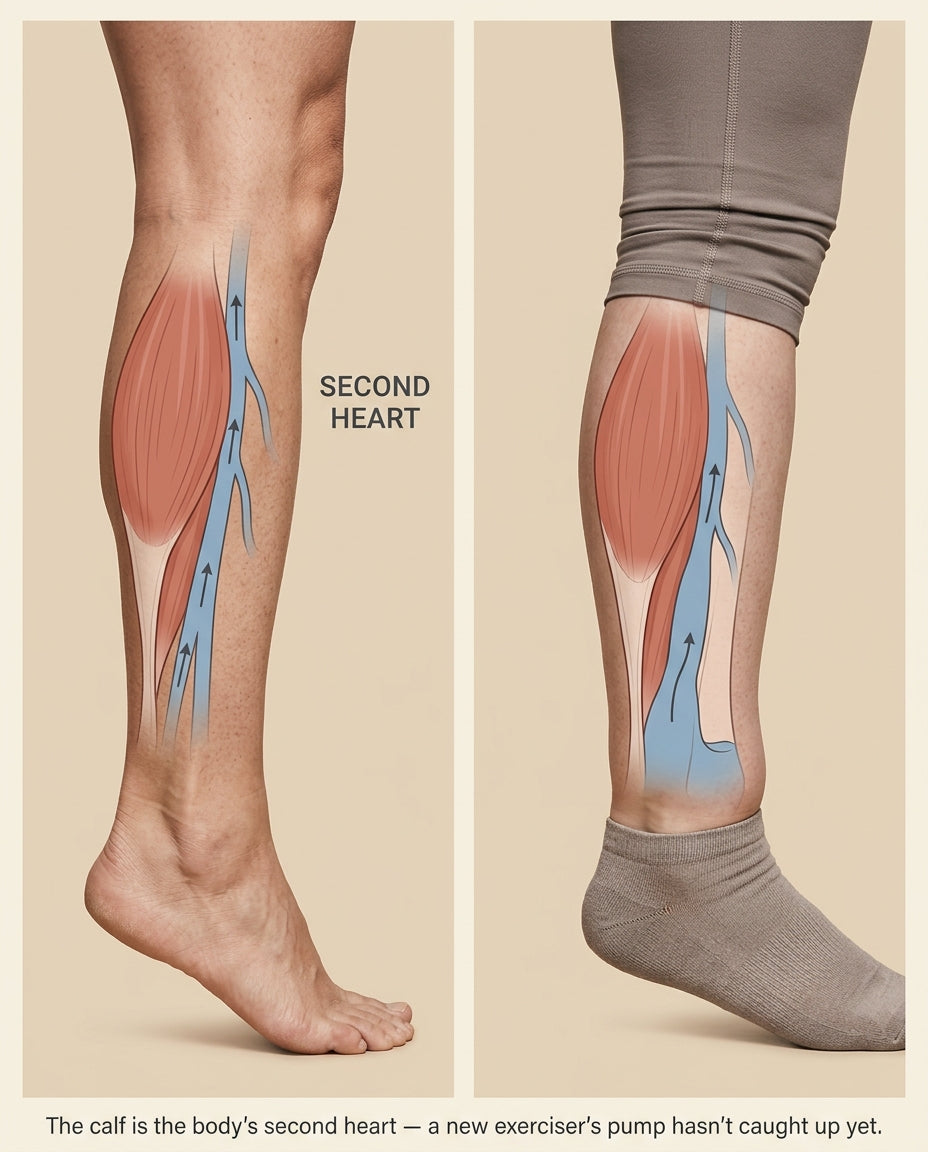
Your heart pumps blood down to your feet. Getting it back up is a different problem. The veins in your lower legs don’t have pressure behind them. They rely on your calf muscle squeezing around them with every step — contracting and releasing, contracting and releasing — to push the blood and lymphatic fluid back up against gravity.
Cleveland Clinic actually calls the calf muscles the body’s “second heart.” Their words, not mine. They squeeze the deep veins in your lower legs to return the blood back toward your chest.
Here’s the thing nobody told me when I started walking.
When you’re brand new to exercise — especially if you’ve been sitting most of the day for years — your calf pump is deconditioned. It hasn’t built the contractile strength yet to keep up with the extra demand that suddenly comes with daily walking.
You start moving more. More blood floods your lower legs. But the pump can’t move it back fast enough yet. So after your session, fluid settles. Puffy ankles. Deep sock grooves. That heavy, full, tight feeling. Lower legs that feel two sizes bigger by evening.
It isn’t injury. It isn’t damage. It isn’t your body telling you to stop.
It’s a conditioning lag. The pump is behind, and it hasn’t caught up yet.
Diane said the pump does catch up — with consistent training. Calf muscle gets stronger, contractile efficiency improves, the fluid clears faster. Most people who push through that first three to four weeks don’t experience the swelling the same way anymore.
But weeks two and three are exactly when people quit.
And every solution I’d tried was aimed at the symptom, not the pump.
If You Don’t Help the Pump, Week 2 Keeps Winning
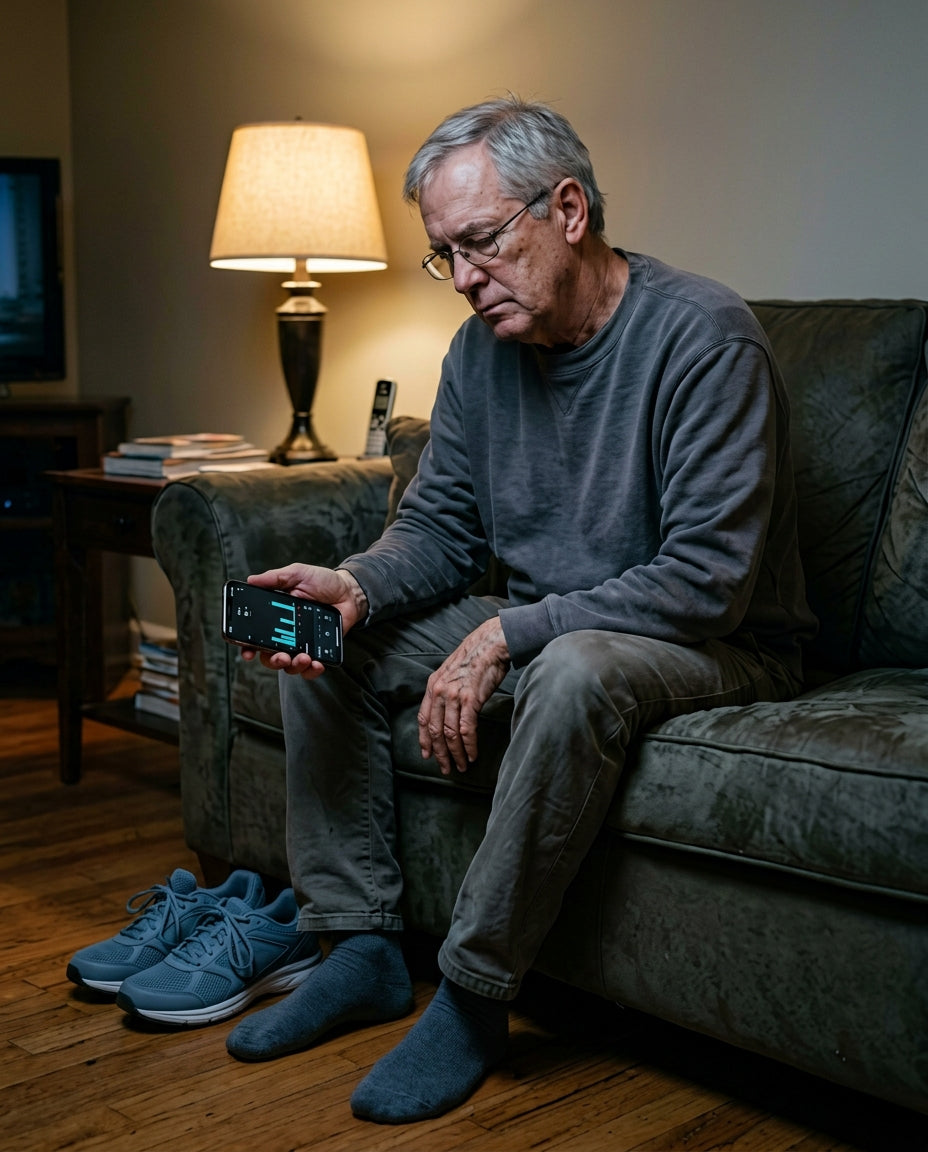
I want to be honest with you about the stakes here, because I spent four years not understanding them.
If you keep relying on rest days, the pump doesn’t get a chance to catch up. You rest, the swelling eases, you walk again, the fluid settles again, you rest again. The window where the pump could strengthen never opens. The swelling doesn’t get better. The streak doesn’t survive.
The habit dies. Again.
And if you’re anything like me, there’s a voice in the back of your head that turns that into something personal. That says you don’t have the consistency. That this just isn’t for you. That you’ve tried before and you always stop.
That voice is wrong. But without understanding what’s actually happening in your legs, it’s very hard to argue with.
I’m not going to tell you the rest of this story involves willpower or motivation. It doesn’t. It involves helping the pump do its job between sessions so your legs can recover overnight and you can move again the next day.
That’s it. That’s the whole thing.
It’s Called the Tri-Modality Calf Pump Reactivation
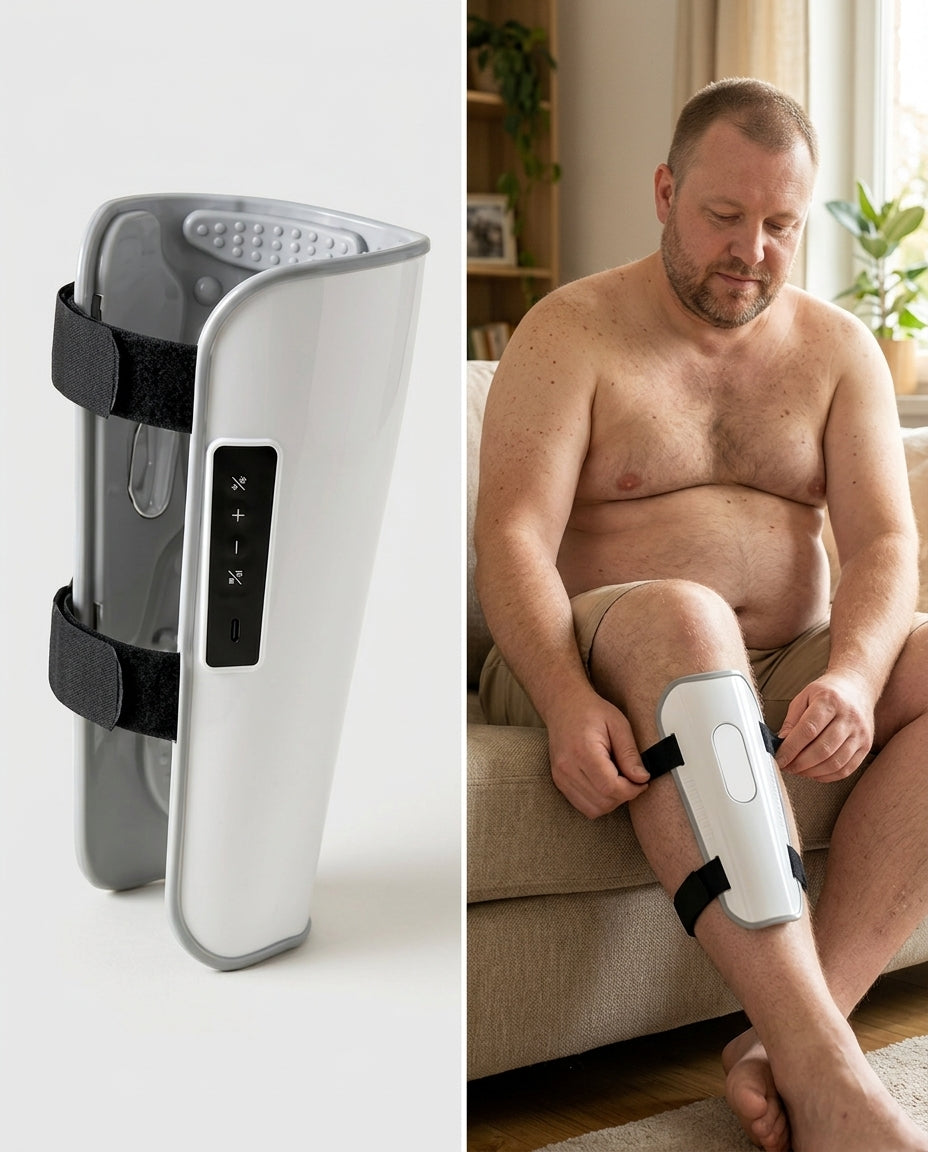
Diane didn’t hand me a product that day. She explained a concept.
She said the problem is that after a walk, when you sit or lie down, the pump stops completely. The fluid that accumulated during exercise has no way out. It just sits there overnight. And then you wake up the next morning with legs that still feel heavy from yesterday.
She said the way to interrupt that cycle is to help the calf muscle keep contracting — not by walking more, which defeats the point of recovery, but by making the muscle contract passively while you rest.
I went home and started reading. I found the SOLEUS Calf Therapy Sleeve.
I won’t pretend I didn’t hesitate. I looked at it and thought: here we go again. Another thing that’s going to help a little and not fix anything.
But Diane’s explanation had changed something. For the first time I understood what I was actually trying to address. And this was the first device I’d ever looked at that was designed specifically to address it.
It’s called the Tri-Modality Calf Pump Reactivation. Here’s what that means.
The Three Things That Have to Happen Together
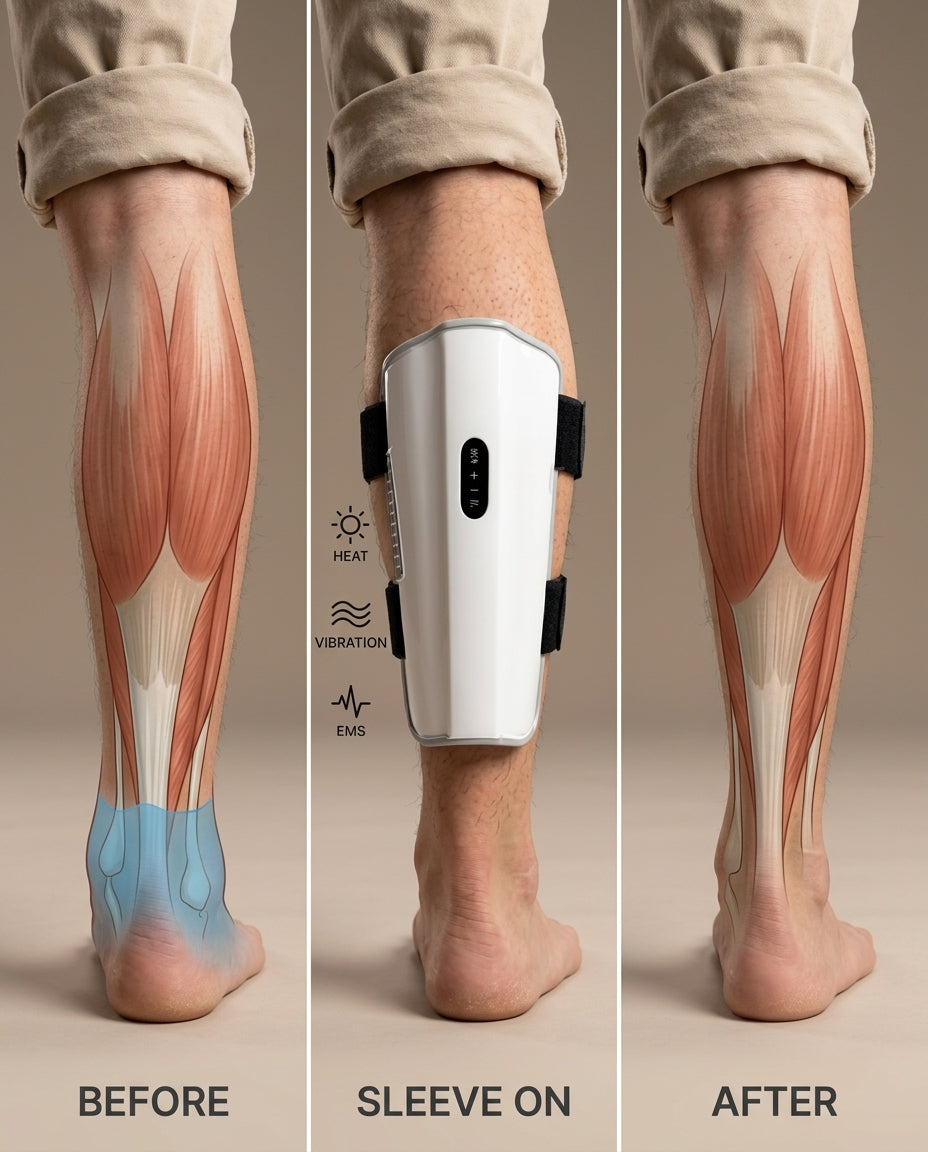
The sleeve goes on the back of the calf — specifically on the gastrocnemius and soleus muscle. The place the “second heart” actually lives. Not the foot, not the arch, not the shin. The pump itself.
Heat. The sleeve delivers gentle, therapeutic warmth directly to the calf muscle. Heat helps dilate the blood vessels, relaxes the muscle, and gets the tissue ready to work. I noticed this within the first two minutes of putting it on — a deep, spreading warmth that my legs had been asking for since week one.
Vibration. The vibration wakes the muscle up. It stimulates the nerve pathways that drive contraction. Think of it as the signal your body sends to the calf when it’s about to take a step — except it’s coming from outside, while you’re sitting on the couch.
EMS Pulse. This is the part that does the actual work. EMS (electrical muscle stimulation) contracts the calf muscle in rhythmic pulses — the same type of contraction that happens when you walk. It’s essentially making your calf “walk” while you rest. The muscle squeezes, the veins get compressed, fluid moves upward. The pump runs without you taking a single step.
The three work together. Heat opens the vessels and relaxes the tissue. Vibration wakes the nerve pathways. EMS pulses make the muscle contract and push fluid out.
A session is about twenty minutes. I do it in the evening after dinner, legs up slightly, sleeve running. I’ve watched a show. I’ve read. I’ve fallen half asleep. It doesn’t require anything from me.
And my legs drain.
My First Session — and the Next Morning
The first evening I used it, I honestly wasn’t expecting much.
I put the sleeve on, ran through the settings, settled on medium heat and the default EMS mode. Within ten minutes I could feel the pulses — rhythmic, not painful, like a steady tap-tap-tap deep in the muscle.
When I took it off, my legs felt lighter. I figured it was probably the heat.
That night I slept fine. That part was not unusual — I always sleep fine.
What was unusual was the next morning.
I walked to the bathroom without thinking about my legs. Just walked. Stepped onto the tile and kept moving, the way you do when your legs feel normal.
That doesn’t sound like much. But if you’ve been doing the cautious, slightly-limping, one-foot-at-a-time morning shuffle every day for two weeks, you know exactly what I mean.
I went on my walk. I came home. My ankles were a little puffy by evening. I used the sleeve again.
By day four, the swelling after my walks was noticeably less. By the end of the second week I was pulling my regular shoes on without any strategy about which pair wouldn’t leave marks.
My streak is at 29 days as of today. That is the longest streak I have ever had. Not by a little. By a lot.
Before the Sleeve — and Now
| Before | Now |
|---|---|
| Day 12: streak over. Rest days that never ended. | Day 29 and still going. Walked this morning before I wrote this. |
| Pulling shoes off every evening like they were compression sleeves themselves. | Shoes come off normally. No strategy, no floor-sitting. |
| Taking ibuprofen hoping it would help the “inflammation.” | Sleep, walk, recover, repeat. No pharmaceutical assist. |
| Thinking maybe I was just not built for this. | Thinking maybe I was just missing one thing. |
| The same loop, fourth time: start, swell, rest, quit. | First time I’ve felt the loop actually break. |
I’m Just One Person — Hear It From Others, Too
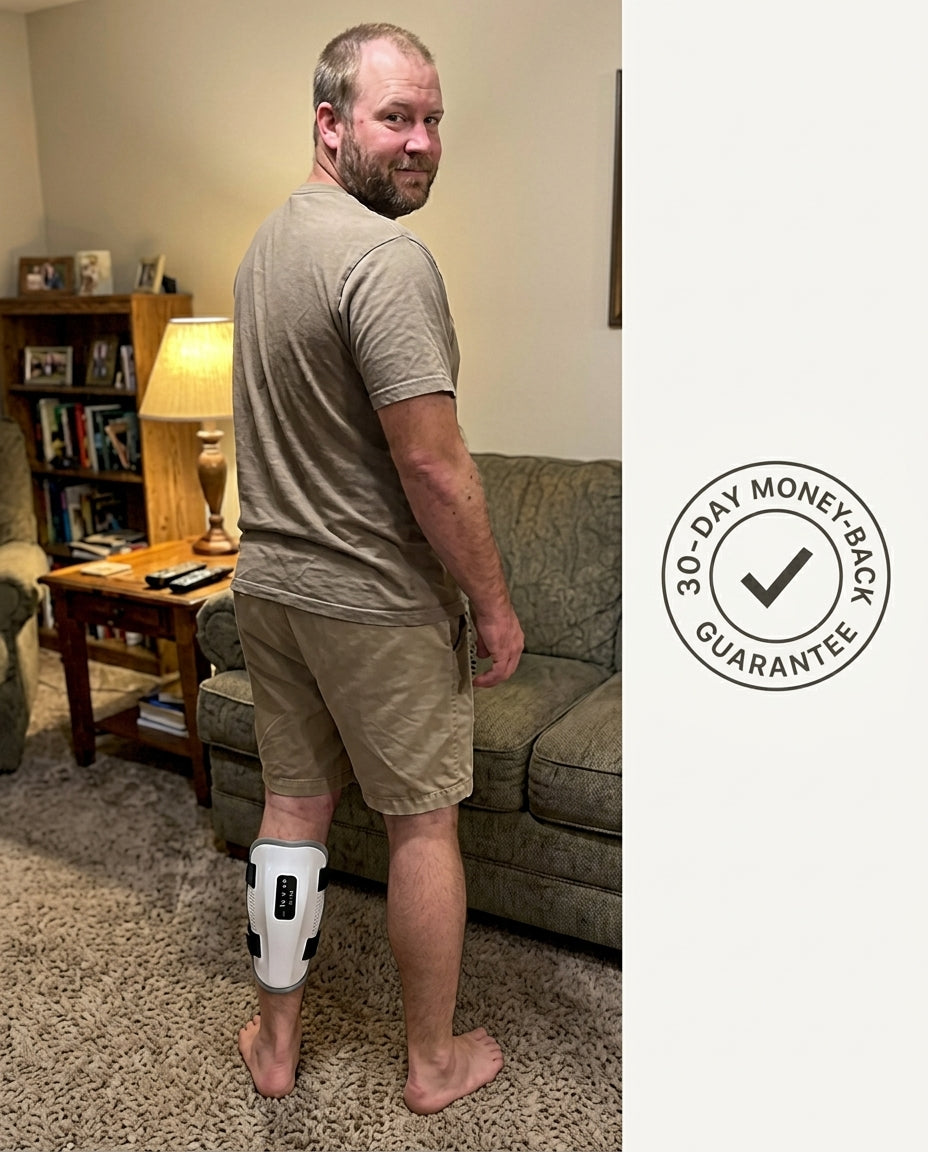
Look, I’m one person with one experience. You need to hear this from more than just me.
Here’s what other beginners — people who started the same way I did — have said after using the sleeve:
“I had to take extra rest days due to swollen ankles every time I started running again. I was two weeks into my Couch-to-5K and genuinely thinking about stopping. I used the sleeve for five nights and made it through week three for the first time ever.”
Rachel, three weeks into Couch-to-5K (Individual results may vary.)“It makes me stop strength training completely every time I start back up. Swollen ankles, heavy legs, just couldn’t do consecutive days. I’m on week 5 now. First time I’ve ever gotten past the first month.”
Marcus, restarting strength training (Individual results may vary.)“Limped my way home, defeated, after my second week of walking. Took a week off. Tried again. Same thing. Found this from a post online, figured what did I have to lose. Week 6. My legs feel completely normal after walks now. I don’t understand why nobody talks about this sooner.”
Donna, six weeks into daily walking (Individual results may vary.)30 Nights, Full Refund If Your Legs Don’t Feel Lighter
I want to talk about the guarantee because it’s the thing that got me off the fence.
SOLEUS backs the Calf Therapy Sleeve with a 30-Day Money-Back Guarantee. Use it for 30 nights. If your legs don’t feel lighter after your sessions — if the morning-after heaviness doesn’t improve — send it back. Full refund. No questions.
That’s not a trial. That’s them telling you they’re confident enough in what the sleeve does to put 30 nights of your experience on their side of the bet.
I appreciated that. A lot.
46% Off — The Math Is Not Complicated
The SOLEUS Calf Therapy Sleeve is currently available at $79.99 (regularly $149.99 — you save $70).
That’s one sleeve. One calf. Twenty minutes a night. And the chance to find out whether your streak dies in week two like every streak before it — or whether this is the one that actually sticks.
Here’s what I want you to think about.
Every rest day that turns into three rest days costs you a piece of the habit. Every “I’ll start again next week” is another quiet quit. The swelling that ends most new fitness habits isn’t a signal that your body can’t do this. It’s a signal that the pump needs help that rest days alone can’t provide.
The sleeve costs less than one month of a gym membership.
It costs less than the compression socks, the ibuprofen, and the elevated-leg nights I tried before I understood what I was actually addressing.
And it comes with 30 nights to find out whether it works for you before you make a final decision.
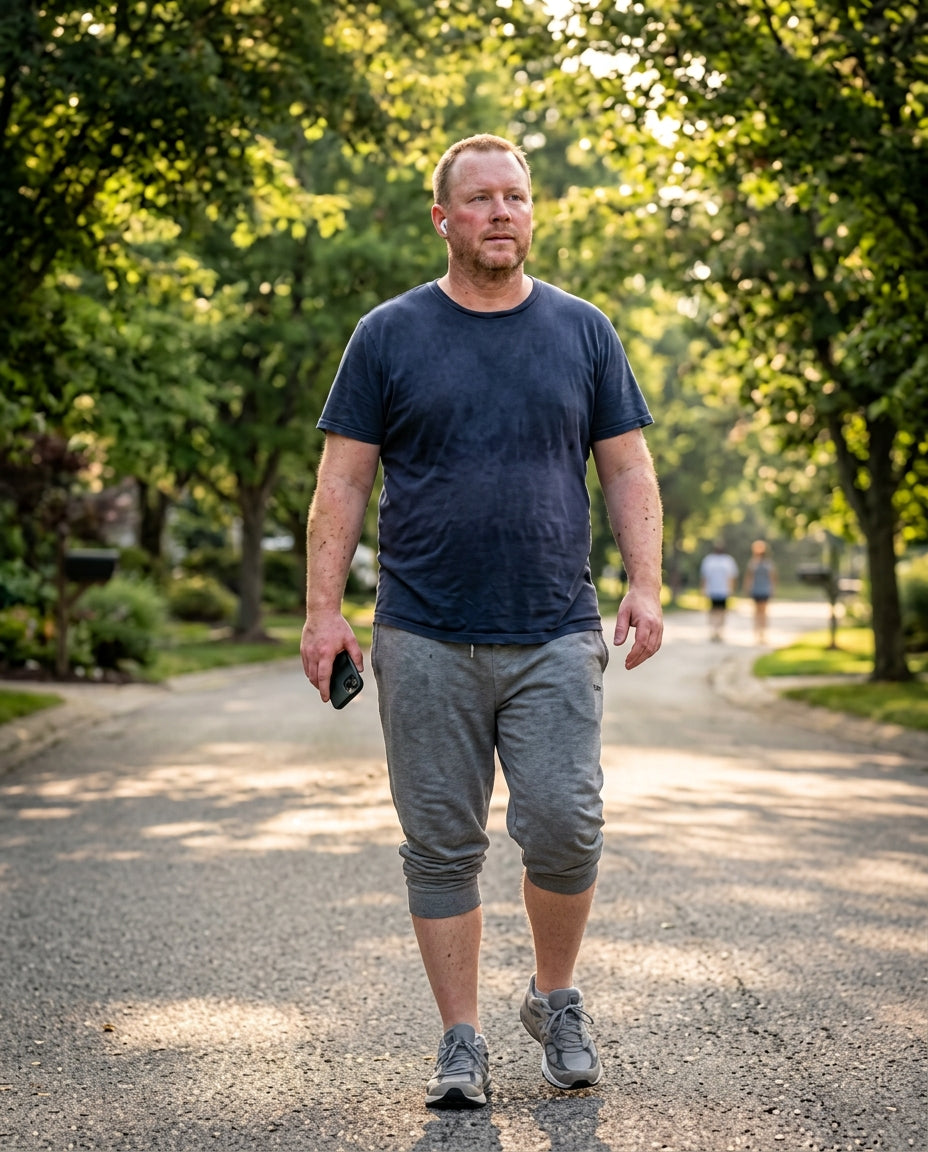
If Someone Has Ever Told You to Just Take More Rest Days
You have three options.
The risk isn’t yours. The 30-day guarantee means it’s theirs.
If you’re reading this in week two of something you actually want to keep going — that part matters.
— Jamie R.
Sorry this got long. I just wish someone had sent this to me four years ago.
SOLEUS is a wellness device intended to support healthy circulation and muscle recovery comfort, not a medical treatment. Individual results may vary. Statements regarding this product have not been evaluated by the FDA. If you are managing a serious medical condition, please consult your physician before use. The author is not affiliated with SOLEUS as an employee or paid spokesperson — this is a personal experience. Results vary by individual.
Testimonials above reflect individual customer experiences. Individual results may vary. Composite experiences drawn from verified customer feedback.